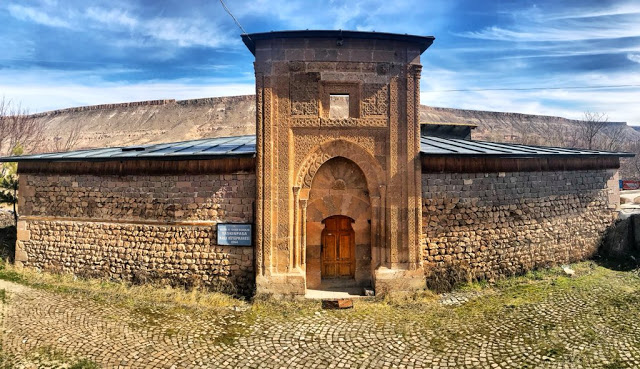


We know that Cappadocia is a region of great historical wealth. Surrounded by churches, chapels and monasteries, Cappadocia is also home to works of Seljuk architecture. Though not quite as numerous as the churches and valleys, the Seljuk monuments to visit in Cappadocia are still plentiful.
If you are planning a trip to Cappadocia for a historical tour, we strongly recommend staying at a hotel that is steeped in history.
The Sarıhan Caravanserai
Located in the Damsa Valley, the Sarıhan Caravanserai is known to have been built in the time of Izzeddin Keykavus II, and perhaps at his command. The year of its construction is 1249.
It is the last known example built by the Seljuk sultans, for no caravanserai was built after Sarıhan. We also know it as Saruhan, or the Silk Road caravanserai.
The Alaaddin Mosque
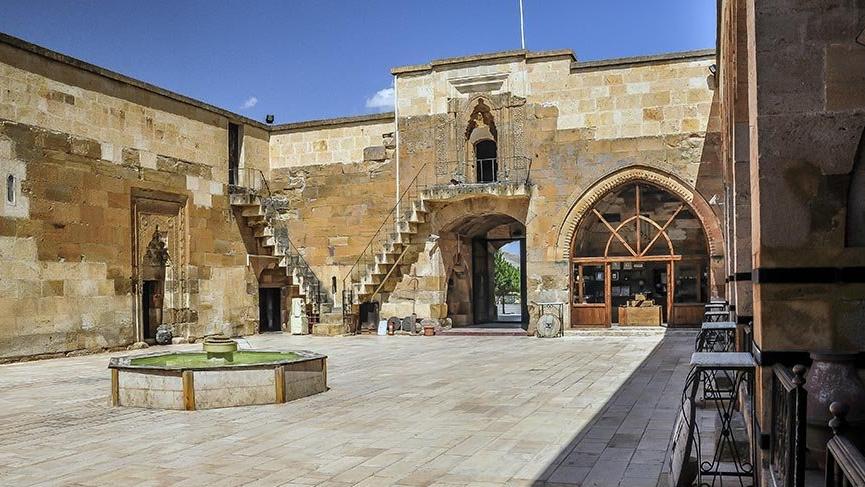
Standing on Alaaddin Hill, it is the oldest Seljuk monument. Its construction was begun in the time of the Seljuk sultan Rükneddin Mesud I and completed in the reign of Alaaddin Keykubat I.
The tombs of Mesud, Kılıç Arslan, Gıyaseddin Keyhüsrev I, Gıyaseddin Keyhüsrev III, Rükneddin Süleyman II, Alaaddin Keykubat I and Kılıç Arslan IV lie in the mosque’s courtyard.
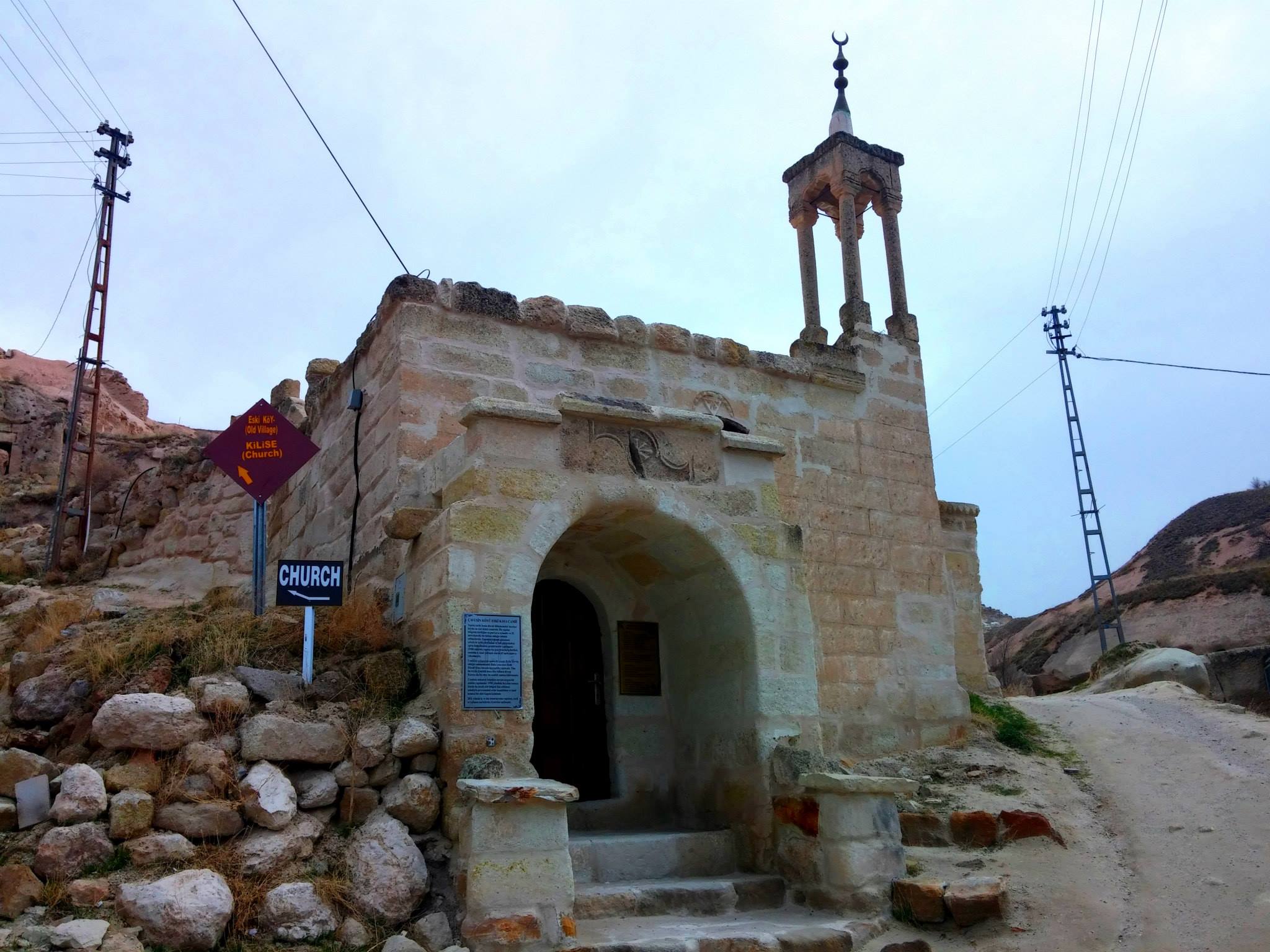
The Çavuşin Old Mosque
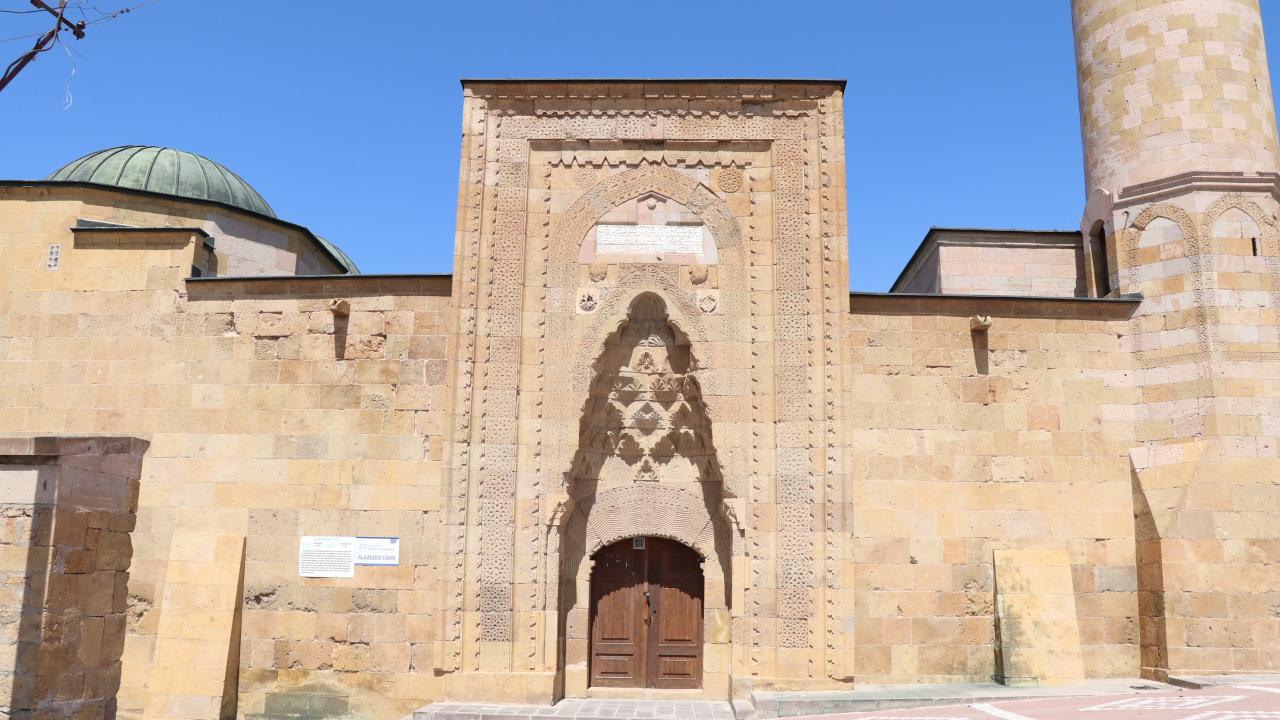
It is believed that the mosque’s first imam was Hafız Derviş. It is the second-oldest mosque in Çavuşin. Covering an area of 35 square metres, the mosque was later enlarged when its capacity eventually proved insufficient.
It has a minaret in the Seljuk style. Closed in 1958, the mosque reopened its doors to visitors after being restored in 2011.
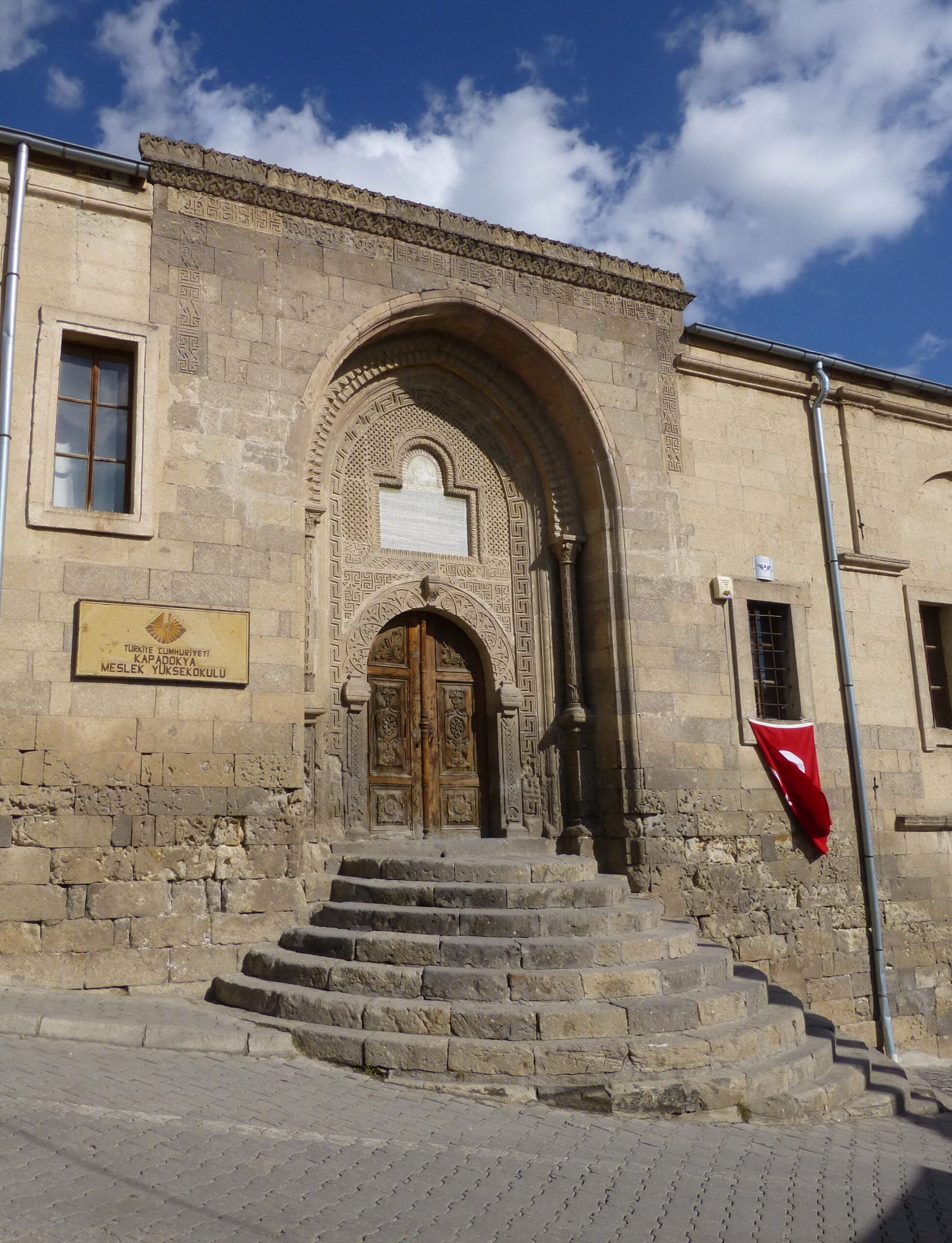
The Mehmet Şakirpaşa Madrasa
Built as a madrasa and later used as a mansion and a carpet store, the Mehmet Şakirpaşa Madrasa serves today as a vocational college. It is the most important Ottoman monument in Mustafapaşa and was built in 1900. The Ottoman tughra carved into the marble on the front facade of the building resembles the tughra of Abdülhamid II.
The Sungur Bey Mosque
It was built in 1335 at the command of Seyfeddin Sungur Ağa. The mosque has a wooden minbar inlaid with mother-of-pearl, and the inscription on this minbar records that the mosque was commissioned by Seyfeddin Sungur Bey and built by the master craftsman Hoca Ebubekir. The mosque has twin minarets, and in it we see Islamic and Gothic art side by side. The mosque burned in the 18th century, and its roof was afterwards propped up with posts. As a result, its original form has been lost.
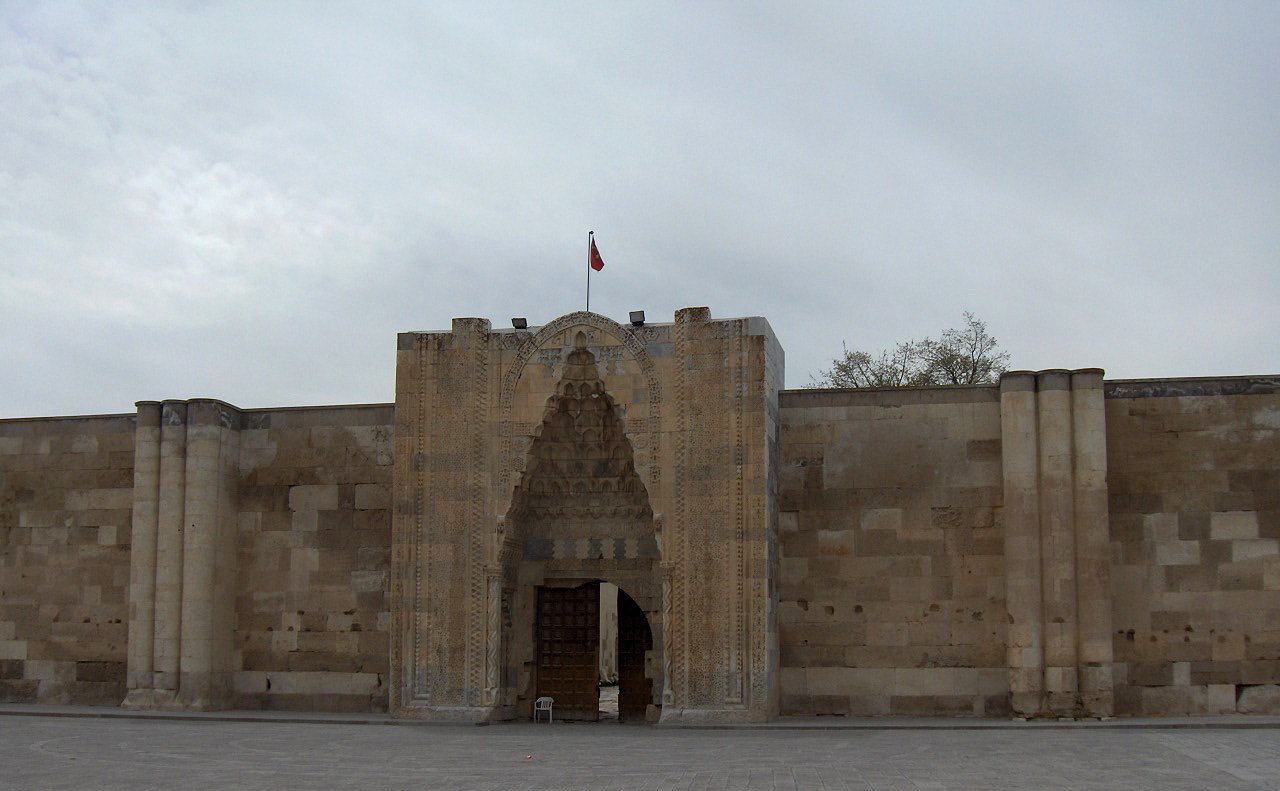
Sultanhan
Sultanhan also takes its place among the Seljuk monuments to visit in Cappadocia. Its inscription records that Sultanhan was built in 1229 by Alaaddin Keykubat I. Its architect was Muhammed bin Havlen el Dımışki. It was left in ruins by a fire that broke out in 1278 and was repaired by the governor Seraceddin Ahmed bin El Hasan.
The Taşkınpaşa Mosque
A legacy of the Karamanid period, the Taşkınpaşa Mosque stands in the village of Damsa. Its portal is decorated with borders adorned with geometric patterns. Today, sadly, it has been painted over with white limewash and made unsightly. Its mihrab was made using the walnut inlay technique and is on display at the Ankara Ethnography Museum. It is of great importance as the only historical wooden example to have survived to the present day.